Serengeti
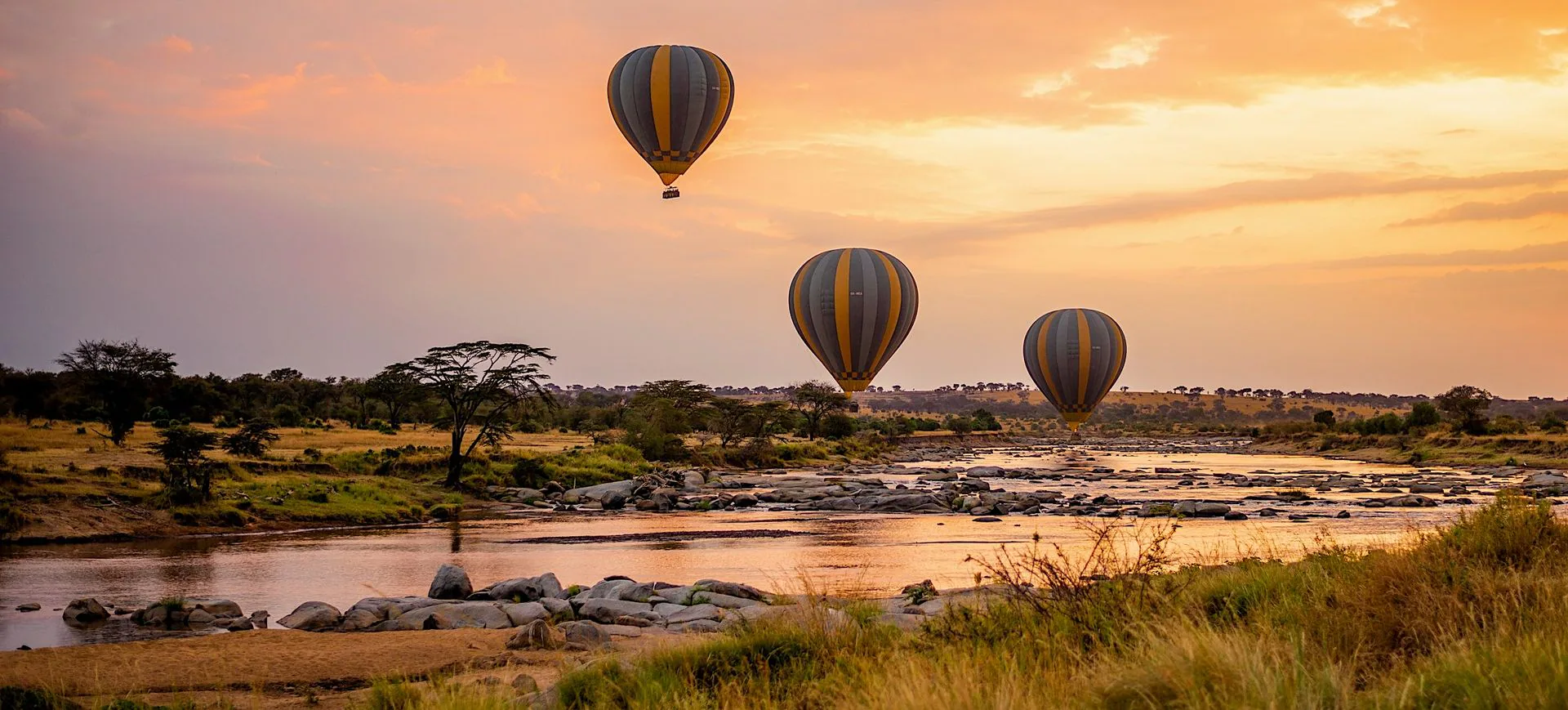
A vast ecosystem rather than one fixed migration viewpoint. We place you in the right sector for the season and balance wildlife access with camp atmosphere.

Migration · Craters · Coast
Epic wildlife theatre balanced by intimate camps, rich Swahili culture and the easy possibility of an Indian Ocean finale.
Destination overview
Plan a private Tanzania safari through the Serengeti, Ngorongoro, Tarangire and beyond, with seasonal migration advice and an optional Zanzibar finale.
Distinct regions
Start with the places that interest you most. We will help you decide how many stops your time allows, how to travel between them and where an extra night would make the difference.
A vast ecosystem rather than one fixed migration viewpoint. We place you in the right sector for the season and balance wildlife access with camp atmosphere.
The crater offers remarkable wildlife density, while the surrounding highlands bring walks, views and cultural context. Timing helps avoid the busiest periods.
Baobab country, seasonal elephant concentrations and excellent private guiding make Tarangire far more than a brief stop on the northern circuit.
Southern wilderness, river safaris and specialist chimpanzee journeys suit repeat visitors seeking longer stays and fewer vehicles.
Stone Town and the islands’ beaches bring cultural and coastal contrast to a mainland safari. Beach choice, tides and seasonal conditions shape the stay.
Groundwater forest, lake views and the Rift Valley escarpment add a distinct landscape to the northern circuit. Wildlife and water levels vary, so we choose the timing and length of the visit around the wider safari.
Forest trails beside Lake Tanganyika lead to permitted chimpanzee tracking. These specialist journeys need time for remote transfers, active walking and the forest itself; they are not quick additions to a Serengeti itinerary.
A closer look
Explore the landscapes and wildlife we can weave into your journey, with carefully chosen stays and guided experiences.
Visitor access, permits and accommodation vary. We confirm current conditions and availability before proposing a visit.
Mount Meru, forest, lakes and walking close to Arusha.
Remote floodplains and striking dry-season concentrations around water.
Roads and visitor facilities are seasonal; we confirm the appropriate route and accommodation before recommending a stay.
Lakeshore, groundwater forest and escarpment landscapes.
Forest chimpanzee tracking on the shore of Lake Tanganyika.
Rufiji River waterways and extensive southern safari country.
Baobabs, riverine habitat and expansive southern wildlife landscapes.
A forested island in Lake Victoria with specialist wildlife programmes.
Plains, river corridors and wildlife movements that vary by season.
Baobabs and dry-season wildlife along the Tarangire River.
Forest trails, waterfalls and endemic primates.
A multiple-use conservation landscape including the crater; not a national park.
Protected safari areas alongside the western Serengeti, accessed through authorised operations.
Signature moments
Seasonal perspective
The right dates depend on what brings you here. Use this seasonal guide as a starting point; your curator will weigh the conditions, access and availability for your particular route.
The southern Serengeti and Ndutu area become the focus for calving and predator action, with warm days and intermittent rain.
Wildlife viewing is strong across the country. Migration locations change through the season, so camp position is critical.
The plains green, migrant birds return and the northern circuit can feel more spacious outside festive dates.
Rain can affect roads and some camps close. A northern-circuit journey may still be possible with suitable routing and current operational advice.
Good planning changes everything
These are the details an Africa-based specialist considers before recommending your route: fewer assumptions, smoother connections and choices that make sense together.
River crossings follow the herds’ own rhythm and cannot be guaranteed. We use seasonal patterns and current local knowledge to choose well-positioned camps for your dates.
They allow your day to follow your interests, particularly for photographers, families and travellers who prefer an unhurried pace.
Zanzibar, mainland islands, Seychelles and other coastlines have different wind and rainfall patterns. We match the safari and sea seasons together.
Planning Tanzania
Current entry, health and operating requirements are checked for your nationality and route before confirmation.
Highlights of a journey to Tanzania: Serengeti migration camps; Ngorongoro Crater at first light; Ruaha away from the crowds. We shape your route around the season, your pace and the experiences that matter most to you.
June to October generally offers drier safari conditions. The southern Serengeti and Ndutu area often draw the calving herds around January to March. Migration movements and river crossings are unpredictable; the right camp depends on the region and current conditions.
We usually recommend 9–15 nights, depending on the regions you want to combine and the pace that suits you. We would rather choose fewer places well than move you too quickly.
Yes. We design tailor-made journeys to Tanzania, bringing together accommodation, regional flights, private transfers and guiding to suit your route.
The right stay depends on your dates, route and travel style. We will recommend a personal shortlist for your Tanzania journey.
Season, remoteness, internal flights, private guiding, room type and the number of travellers all affect the cost. Share your preferred budget in your journey brief and we will explain the options within it.
Requirements depend on nationality, routing and personal circumstances and can change. We provide route-specific planning guidance, while travellers should confirm current requirements with the relevant government authorities and a qualified travel-health professional.
Your Tanzania journey
Tell us your dates, who is travelling and the experience you want. We will shape the route, stays and quiet details around you.
Start planning your Tanzania journey